

Dengue can sound far away. But the mosquitoes that spread it can live right around your home. Knowing how dengue moves from person to mosquito, and back again, helps you protect your family without panic.
Here’s the simple version: Dengue is a virus spread mainly by the bite of an infected mosquito. It doesn’t spread through casual contact, like sitting near someone or sharing a meal. And because the mosquitoes involved often breed close to people, what happens in your yard matters.
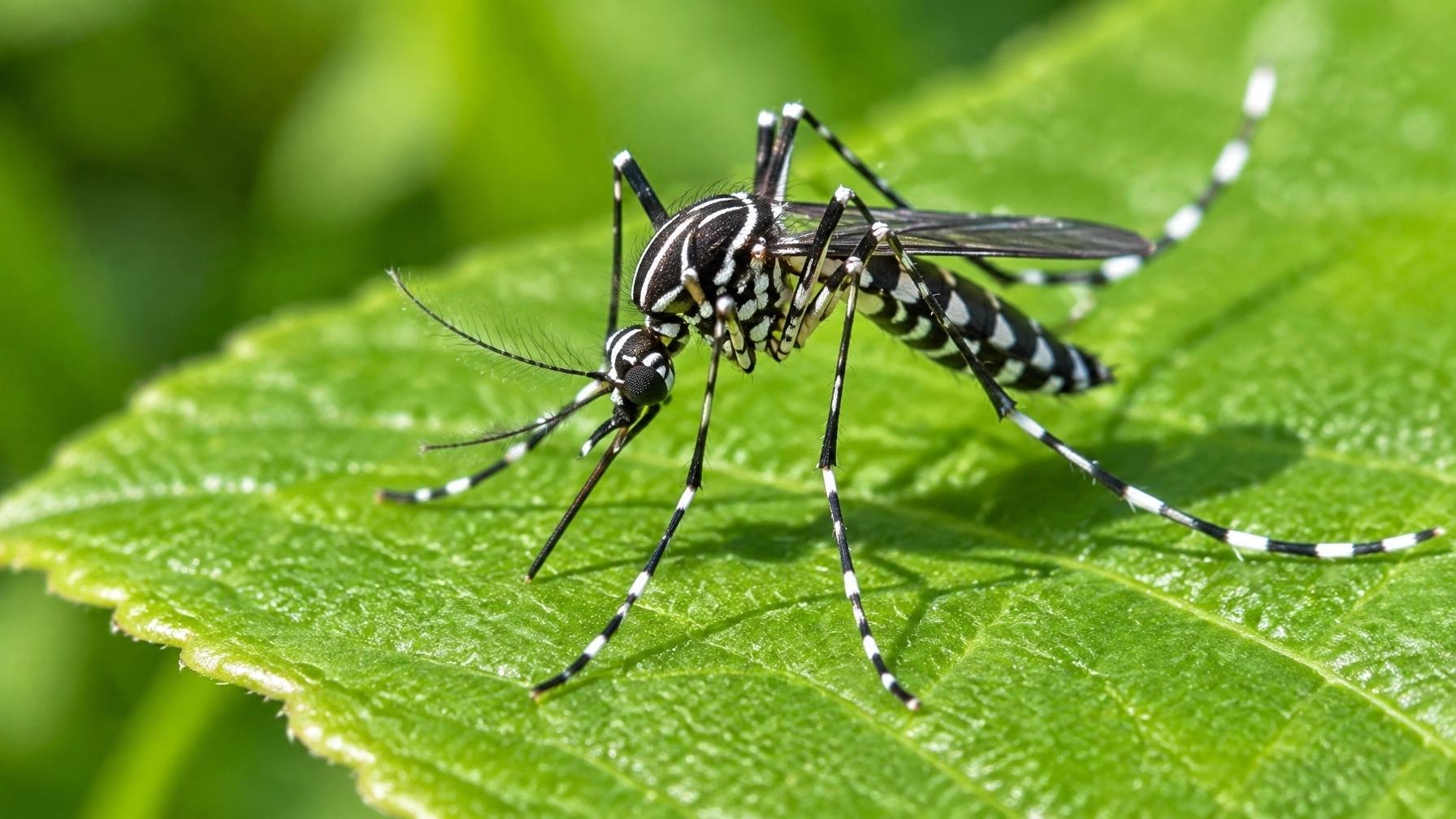
The two main mosquito species that spread dengue are Aedes aegypti and Aedes albopictus. They can also spread Zika and chikungunya.
Unlike mosquitoes that breed in ponds or marshes, these mosquitoes often use small, ordinary containers around homes. A flowerpot saucer, bucket, toy, or clogged gutter can hold enough water for eggs to develop. In some cases, a tablespoon of water is enough.
These mosquitoes bite during the day, often around early morning and late afternoon. They can bite at other times, too. Aedes aegypti strongly favors people, and both species commonly bite humans.
They also tend to stay close to where they hatch. Many remain within a few hundred yards, though distances can vary. That’s why your own yard is an important place to defend.
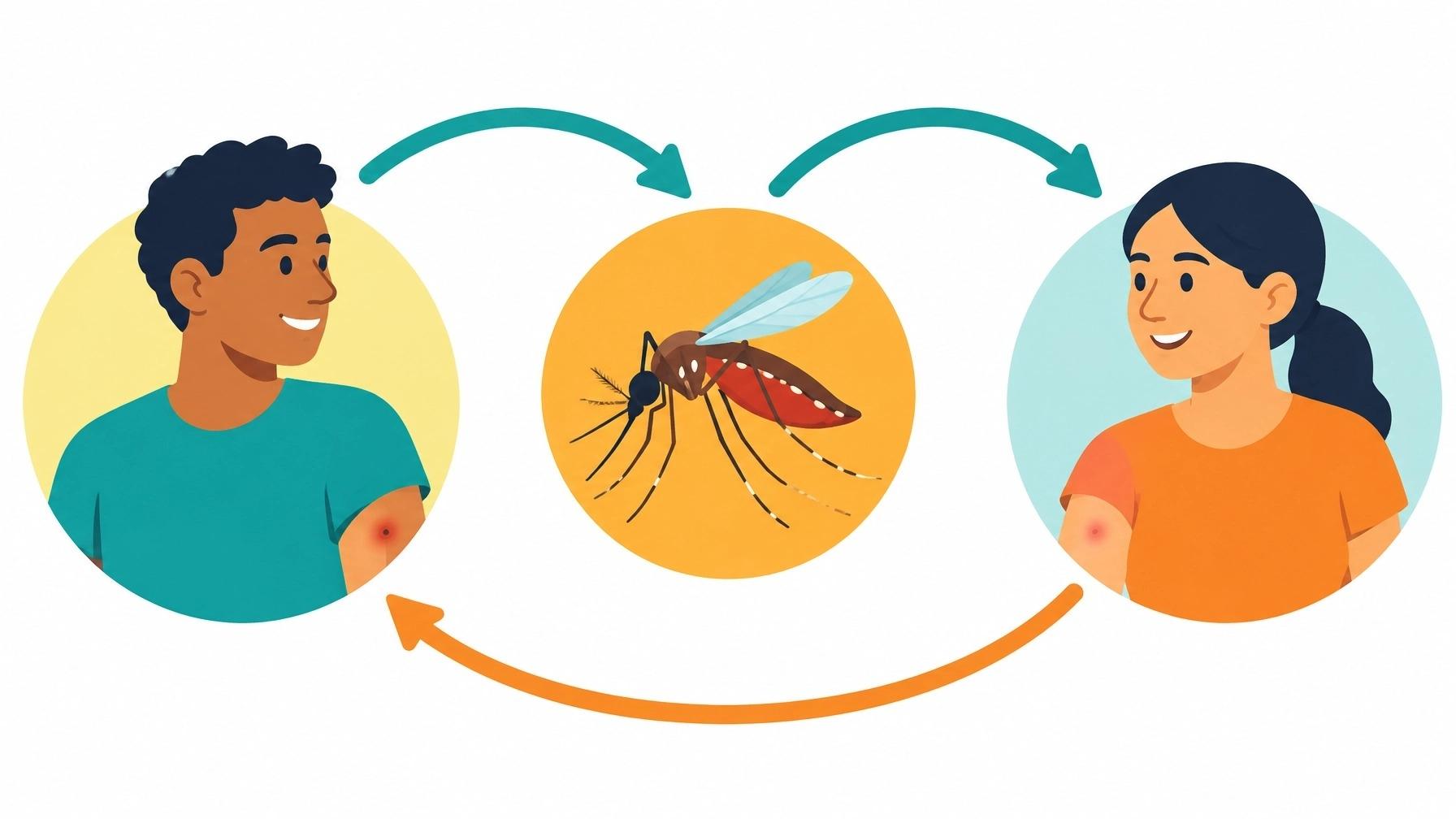
Dengue transmission follows a short chain:
A mosquito doesn’t pass dengue directly from one person to another in a single bite. The virus has to develop inside the mosquito first.
This cycle is one reason prevention matters in every direction. Stop bites. Remove breeding water. And if someone in your household has dengue, contact a healthcare professional and take steps to prevent further mosquito bites.

Dengue symptoms often begin with a sudden fever. Other symptoms can include:
Many cases are mild, but some become severe. Watch especially closely as a fever starts to go away. Seek medical care right away for warning signs such as severe belly pain, repeated vomiting, bleeding from the nose or gums, blood in vomit or stool, or unusual tiredness, restlessness, or weakness.
There is no specific antiviral medicine that cures dengue. A healthcare professional can assess symptoms and guide care. If you’re concerned about dengue, or someone develops symptoms, contact a healthcare professional promptly. Severe or rapidly worsening symptoms need urgent care.

Dengue is a concern in parts of the southern United States, including Texas. Many reported cases are linked to travel, but imported cases can overlap with local mosquitoes, and local transmission has happened.
That’s a reason to stay prepared, not alarmed. You don’t need to identify every mosquito in your yard. Focus on the things you can control, like standing water, bites, and shaded places where mosquitoes rest.

A quick weekly walk around your property can help interrupt mosquito breeding. Tip out standing water at least once a week. Check:
Don’t just empty containers. Scrub them, too. Mosquito eggs can cling to the sides, even when the water is gone. Cover water you can’t dump, or use an appropriate treatment according to its label.
Then protect yourself from bites:
No single step does it all. Together, these habits make your yard less inviting.

If mosquitoes keep taking over your outdoor space, professional outdoor mosquito treatment can add another layer of defense. A good plan starts with your property, not a blanket spray.
That means identifying where mosquitoes rest, addressing breeding sources, and targeting relevant harborage areas. A yard with dense shrubs and standing-water risks may need a different plan than a more open property.
Mosquito Tiger is locally owned and operated. We’re not an out-of-town franchise. We know your protection is personal, and we answer to our customers and community.
No commitments. No contracts. Ever. Start or stop service year-round as you see fit. And if you have a competitor’s quote, we guarantee to beat the price.
Ready to regain control of your outdoor space? Explore our residential services, commercial services, or contact Mosquito Tiger to get started. If you’re searching for pest control or local pest control services, talk with our team about a plan built around your property.