
Fall is coming. The temperatures are cooling. Your pest problems may not be.
Mosquitoes can stay active well into late fall, especially during warm spells and after rain. At the same time, roof rats, house mice, ants, roaches, and spiders start searching for shelter indoors.
They are looking for three things:
Your home can provide all three unless you take action. Use this practical fall pest-proofing checklist to defend your property, protect your family, and keep your outdoor spaces usable.
Grab a flashlight.
Walk slowly around your home. Check the foundation, siding, roofline, garage, windows, doors, vents, and utility connections. You are looking for anything that gives pests a way inside.
Pay close attention to:
A mouse can squeeze through an opening about the size of a dime. Ants and roaches need even less room.
Checklist:
Small gap. Big invitation.
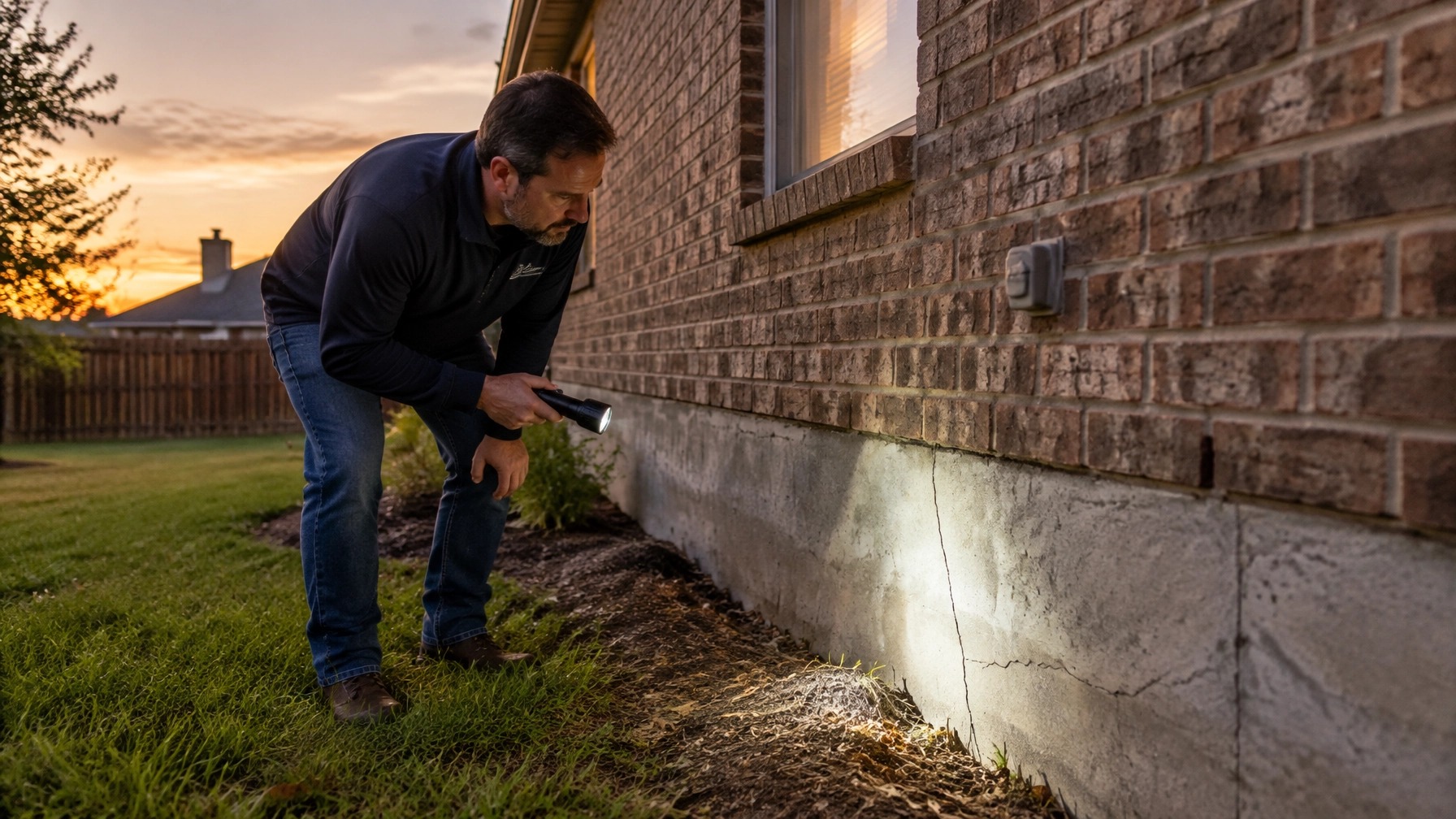
Once you find an opening, close it.
Don’t assume pests will ignore it. Use exterior-grade caulk for small cracks. For rodent-prone openings, use durable materials such as steel wool, hardware cloth, metal flashing, or mortar, depending on the location. Rodents can chew through weak or temporary repairs.
Seal around:
Never block an active ventilation opening. Instead, repair or cover it with an appropriate pest-resistant screen.
This is one of the most important steps in fall pest control. You are not simply treating pests after they enter. You are defending the home before they get inside.
Doors and windows are daily entry points. They need to close tightly every time.
Inspect all exterior doors, including the garage entry door and side doors. Replace worn weatherstripping. Install or repair door sweeps. Pay special attention to the bottom corners of garage doors, where mice and roaches often find openings.
Then check every window screen.
Good screens also help reduce mosquitoes indoors. However, screens cannot protect your yard. If biting mosquitoes remain active outside, you may need targeted outdoor mosquito treatment around resting areas, shaded vegetation, and outdoor living spaces.

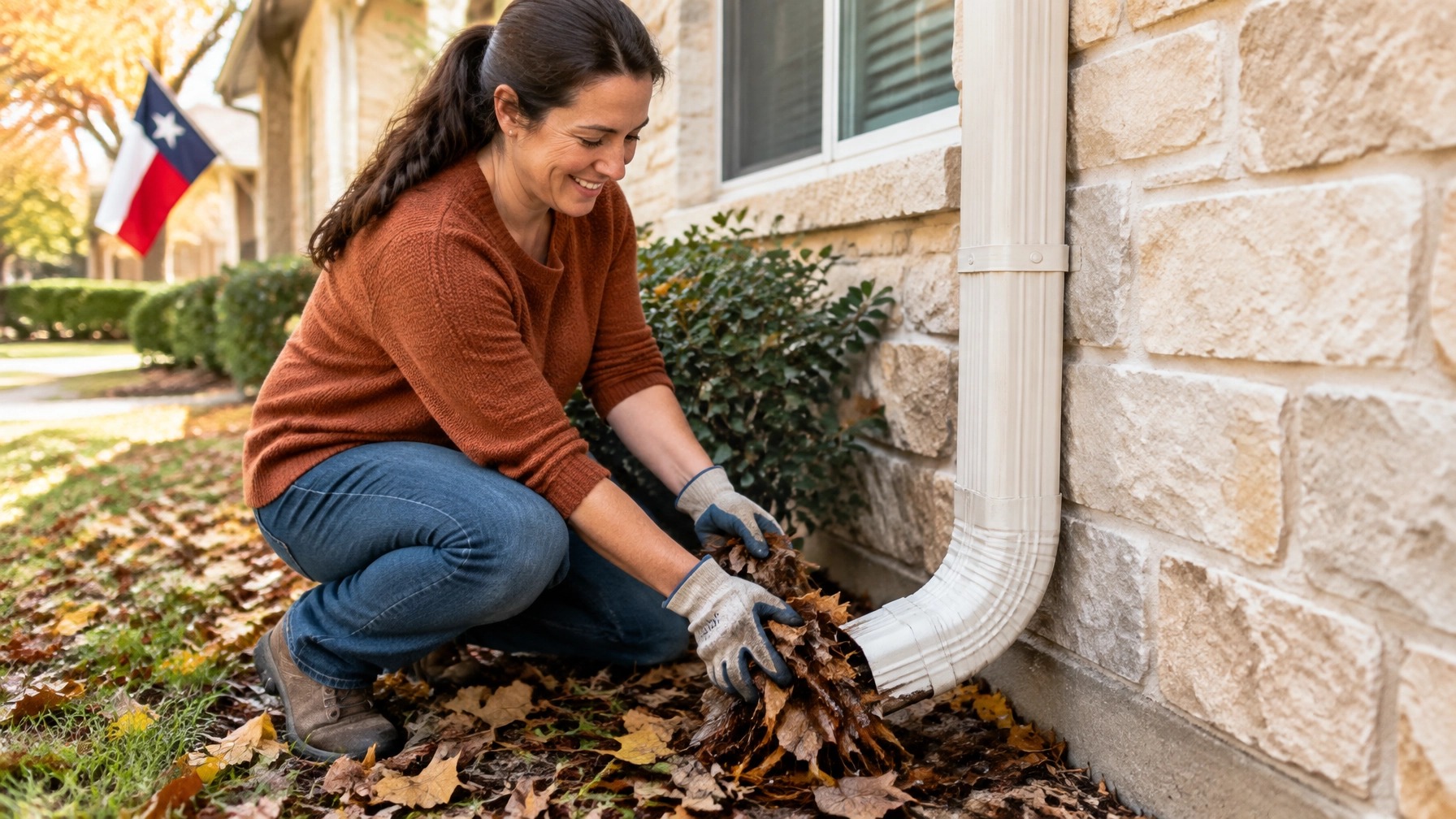
Clogged gutters create more than a roof problem. They can create pest habitat.
Leaves and debris hold moisture. Standing water in gutters can support mosquitoes. Damp areas near the foundation attract ants, roaches, and other moisture-loving pests.
Make gutter cleaning part of your fall routine.
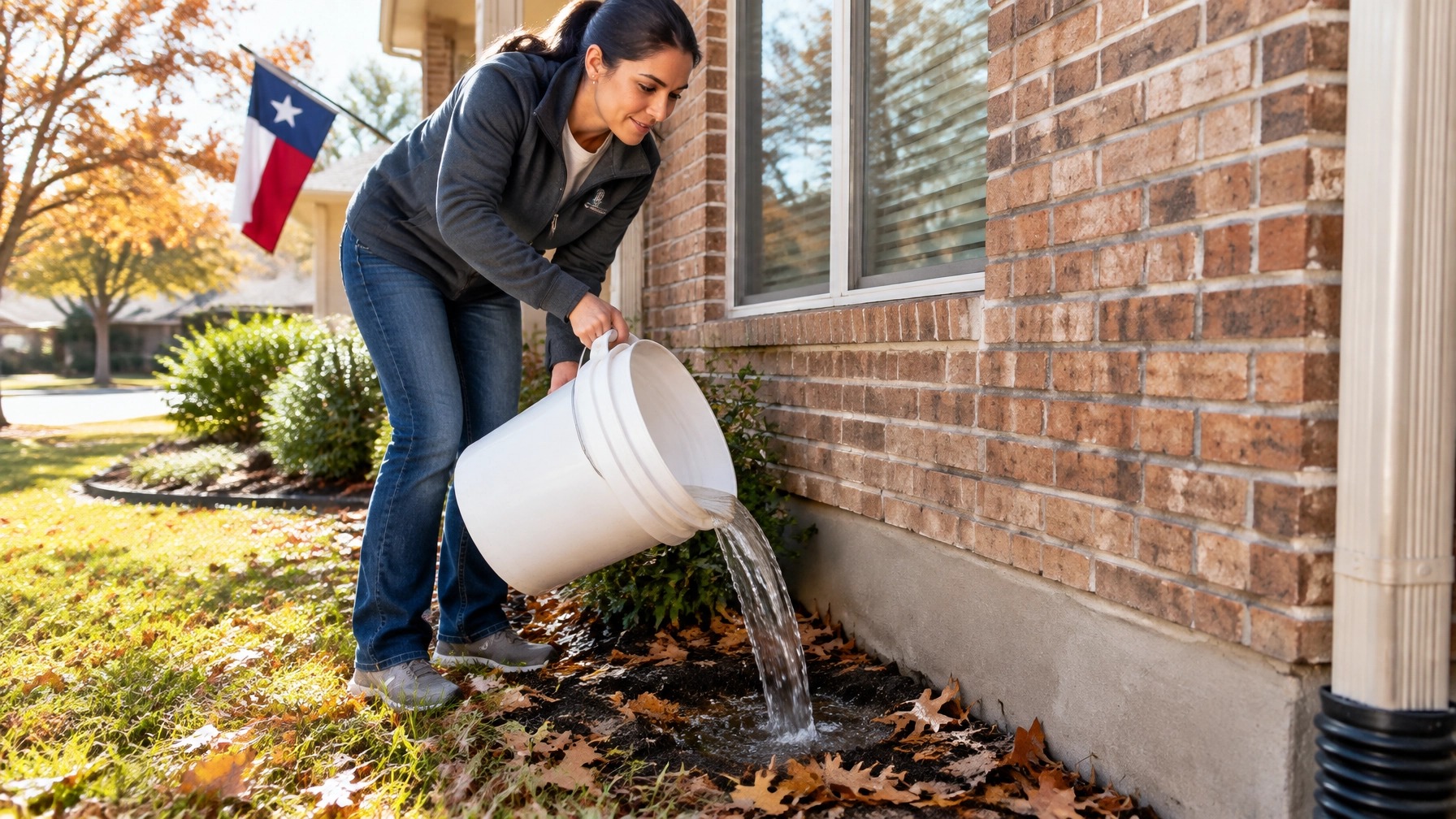
Don’t forget areas under downspouts. If water repeatedly collects there, correct the drainage issue or extend the downspout.
Dry ground around your home is less attractive than wet, sheltered ground.
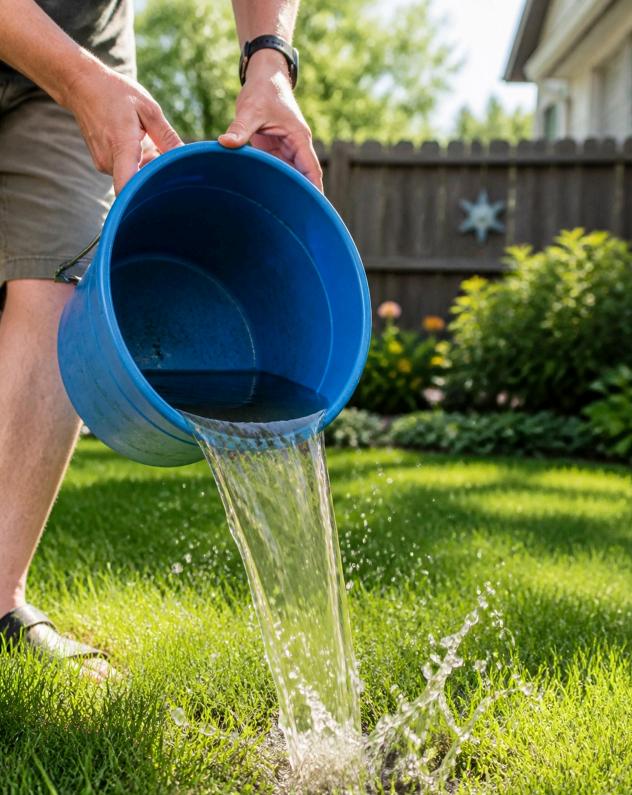
Mosquitoes don’t need a pond. A bucket, plant saucer, toy, tarp, clogged drain, or wheelbarrow can be enough. Walk your yard after every significant rain.
Empty or turn over:
Change birdbath water regularly. Fix leaky faucets and irrigation lines. Don’t let water collect around hose bibs or low spots in the yard.
Remove leaf piles from the foundation, too. Leaves provide moisture and cover for ants, roaches, spiders, and rodents. They can also hide cracks you need to seal.
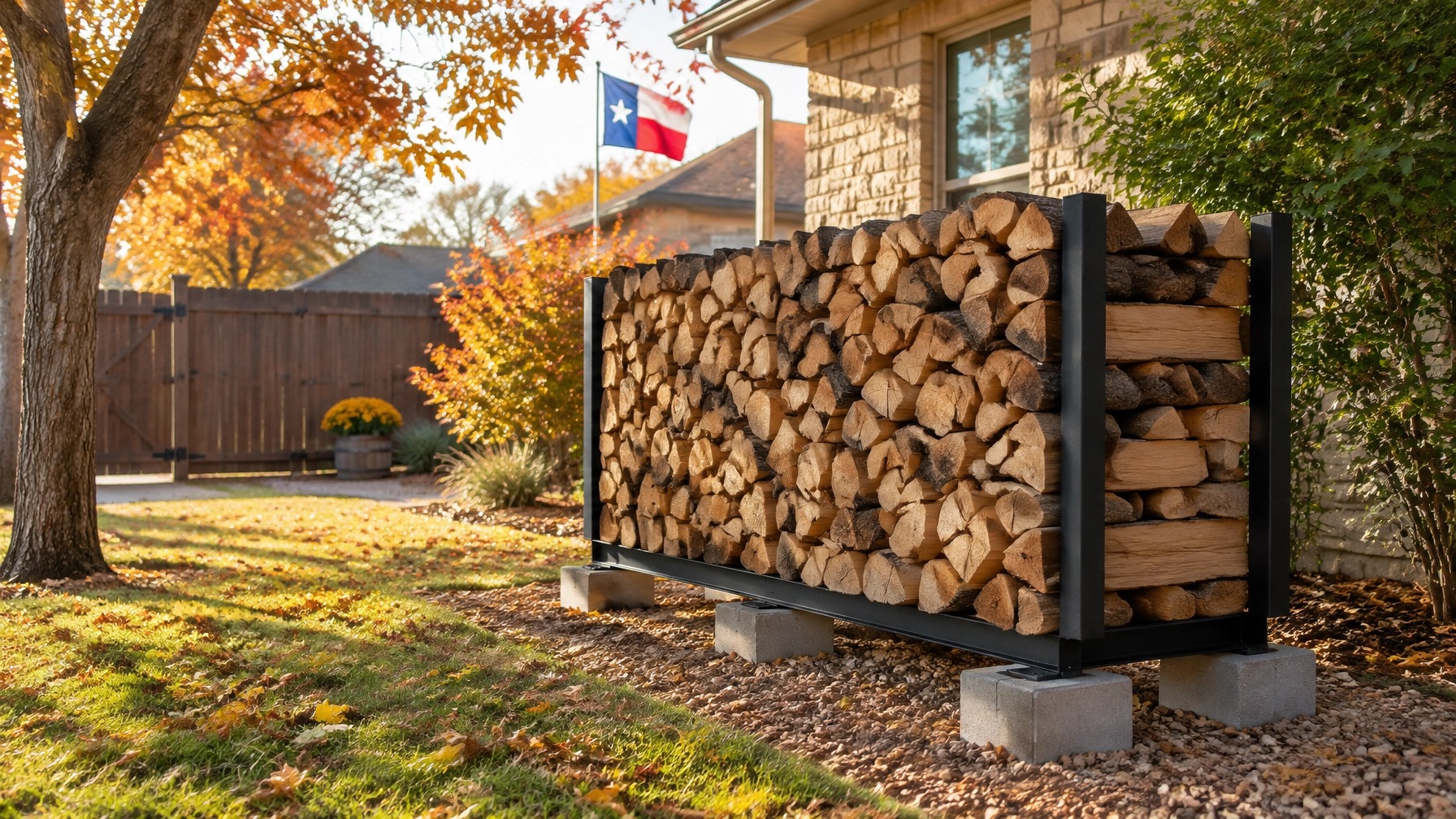
Firewood is useful in the cooler months. It is also excellent shelter for pests.
Store firewood:
Do not stack firewood against the foundation. Roaches, ants, spiders, and rodents can move from the pile directly into cracks and wall voids.
Inspect each piece before bringing it inside. Bring in only what you plan to burn soon.
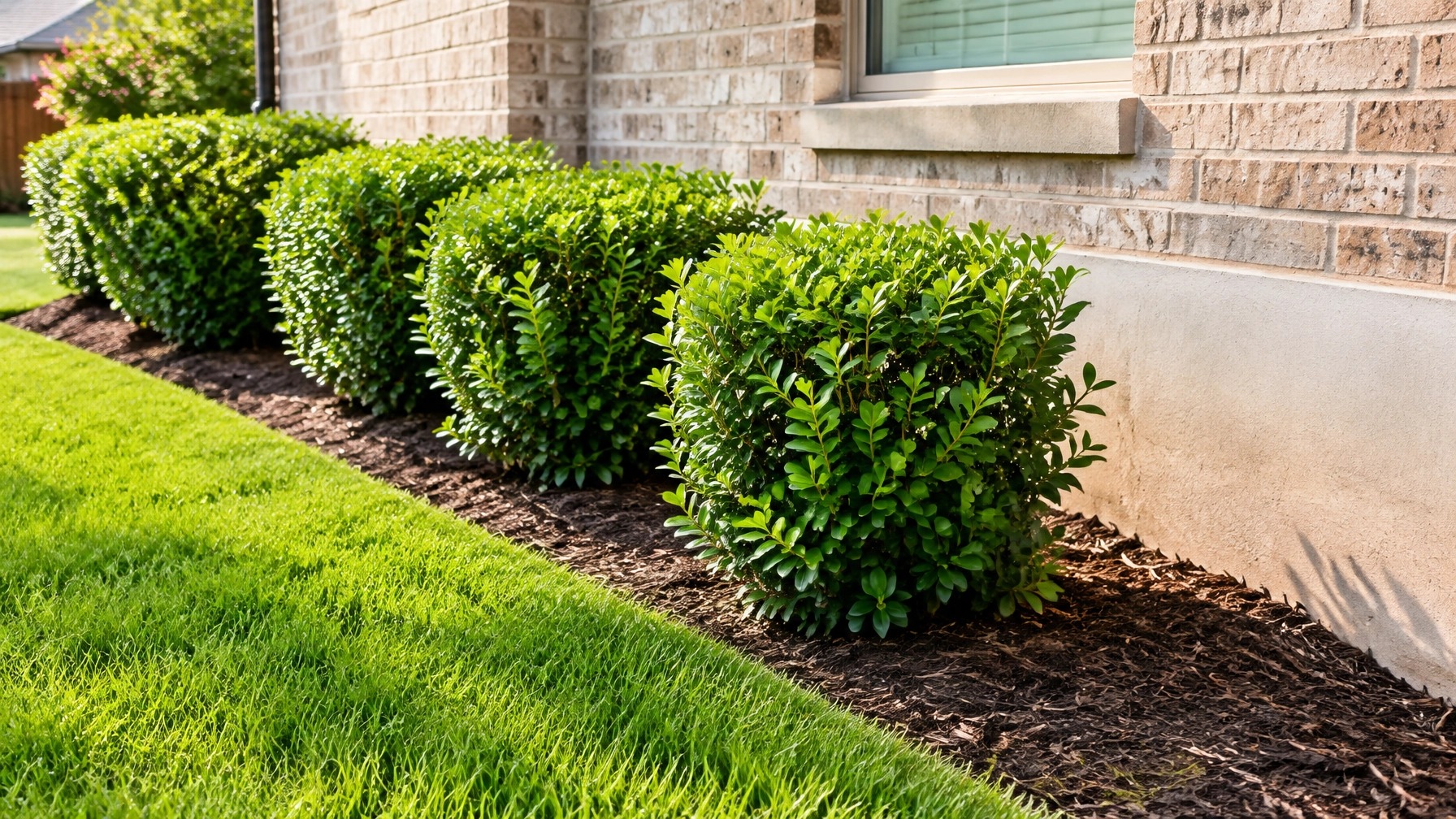
Overgrown landscaping creates bridges and hiding places.
Tree limbs can give roof rats access to the roofline. Vines can cover cracks. Dense shrubs can shelter spiders, ants, and roaches near doors and windows.
Keep vegetation trimmed away from:
Clear mulch, weeds, and dense groundcover from the immediate foundation perimeter where practical. Keep plants healthy and attractive, but do not let them touch the house.
A clean gap around the structure gives you better visibility and fewer pest pathways.
Pests follow food odors. A loose trash lid is an open invitation.
Make sure outdoor trash cans have tight-fitting lids. Clean spills from the sides and bottom. Keep cans away from doors and, when possible, away from the exterior wall.
Also secure:
Inside, wipe crumbs from counters and floors. Clean beneath appliances. Store dry goods in sealed containers. Take kitchen trash out regularly.
Simple sanitation removes the reward pests are looking for.

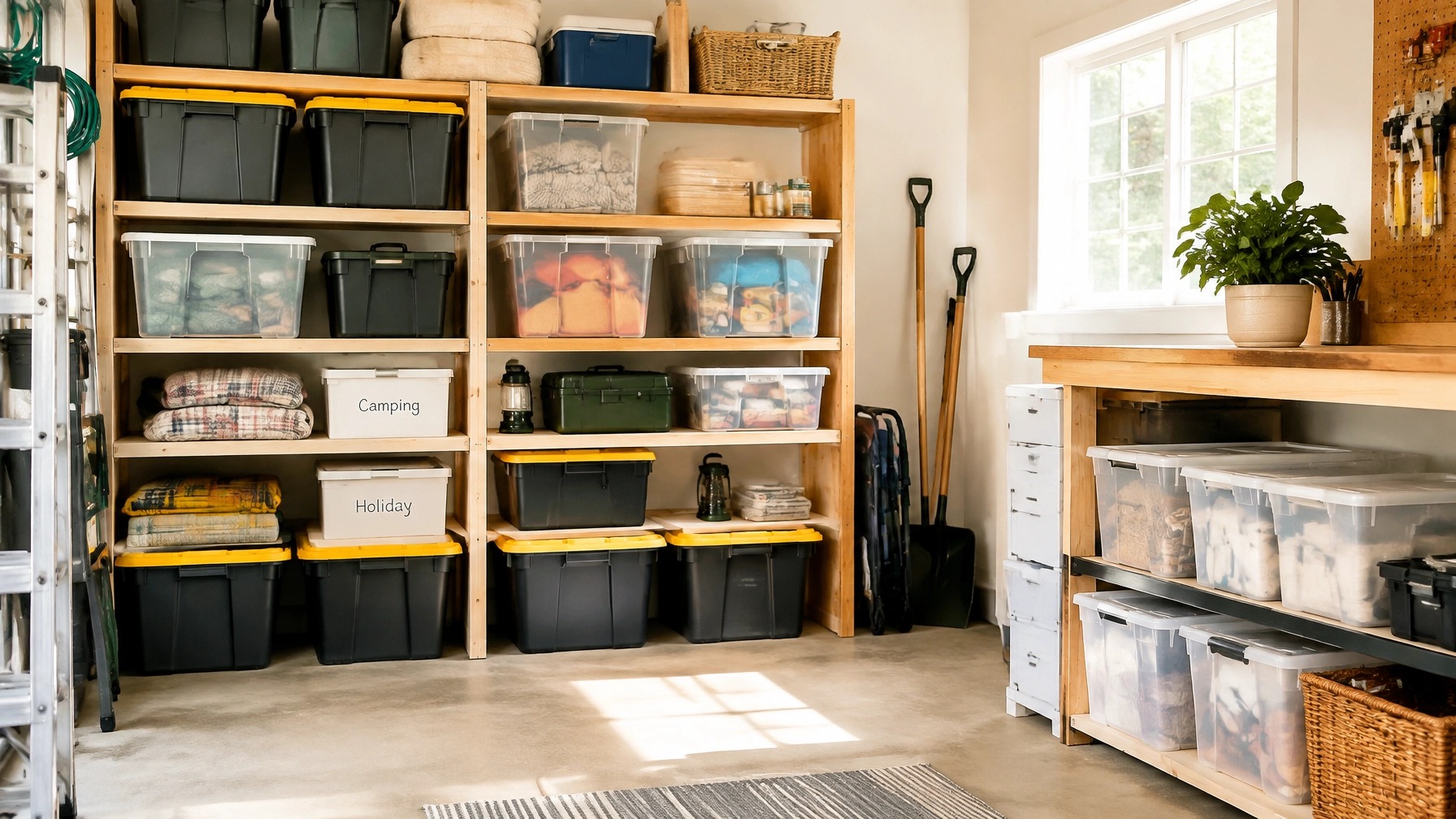
Fall is the right time to inspect storage areas before pests settle in for the season.
In the attic, garage, and shed, look for:
Reduce clutter. Move boxes away from walls. Use sealed plastic containers instead of loose cardboard when possible.
Do not disturb rodent droppings with a broom or vacuum. If you find significant contamination, dead rodents, or signs of an active infestation, contact a professional for safe cleanup and control guidance.
DIY prevention helps. But some problems need trained eyes and professional equipment.
Call for professional help if:
A professional can identify the source, locate hidden entry points, and recommend a treatment plan that fits your property.
If you are searching for pest control near me, look for a team that explains what it is doing and why. You deserve clear answers. No confusing terms. No pressure.

Fall pest-proofing works best when prevention and professional treatment work together.
Mosquito Tiger provides personalized protection for Texas homes and outdoor spaces. Our residential pest control services help you regain control of your yard, patio, and property.
We are locally owned and operated. Not an out-of-town franchise. Not a distant call center. We answer to our customers and our community.
And our terms are simple:
We also provide commercial pest control for restaurants with outdoor dining, daycare centers, golf courses, apartment communities, parks, and other businesses that need dependable outdoor protection.
Do not wait for pests to move in before you respond.
Walk the perimeter. Seal the gaps. Repair the screens. Clean the gutters. Remove standing water. Trim the vegetation. Secure the trash. Inspect the attic, garage, and shed.
Then keep monitoring.
Texas fall weather can change quickly. Mosquitoes may remain active during warm stretches, while rodents and overwintering insects look for shelter indoors. A little preparation now can prevent a much bigger problem later.
Ready to defend your home and regain your yard? Contact Mosquito Tiger for a quote.
No contracts. No long-term commitment. No hidden surprises.
Just local service, straightforward pricing, and a stronger defense against fall pests.