
Outdoor dining brings more than fresh air and happy guests. It can also invite flies, mosquitoes, ants, rodents, and stinging insects to the table.
That’s a problem.
A single pest sighting can disrupt a guest’s meal, damage your reputation, and create sanitation concerns. The good news? You can defend your patio with a few consistent habits and the right commercial pest control plan. Use these 10 practical steps to protect your restaurant patio before closing time and keep it ready for tomorrow’s service.
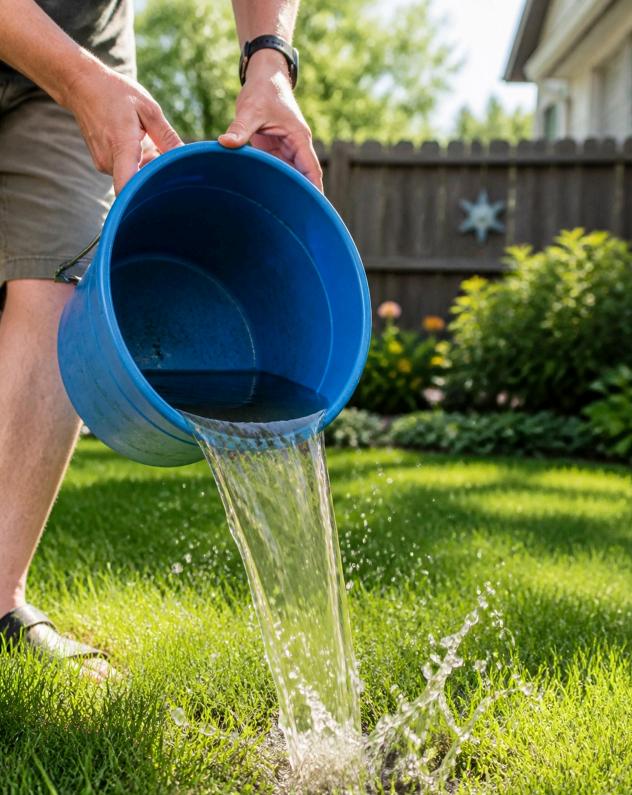
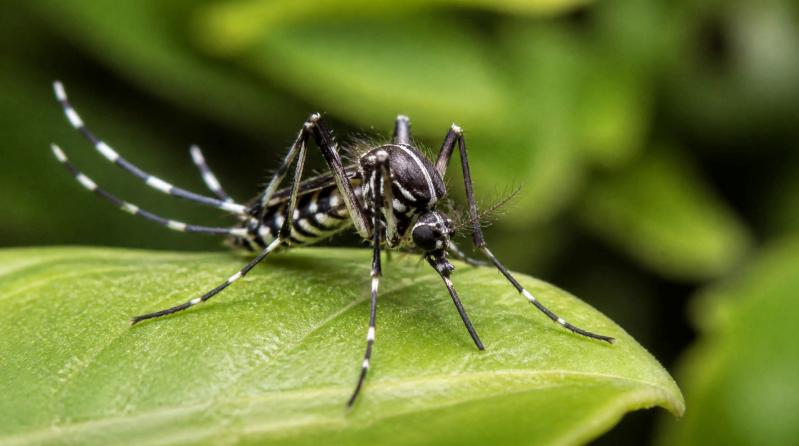
Mosquitoes need very little water to breed. A flowerpot saucer. A clogged drain. A forgotten bucket. Even a small puddle in cracked pavement can become a problem.
Before closing:
Standing water removal is one of the fastest ways to reduce mosquito pressure. It should be part of your daily closing checklist, especially during warm, humid weather.
Need more mosquito education? Explore Mosquito Tiger’s guide to the lifecycle of a mosquito.
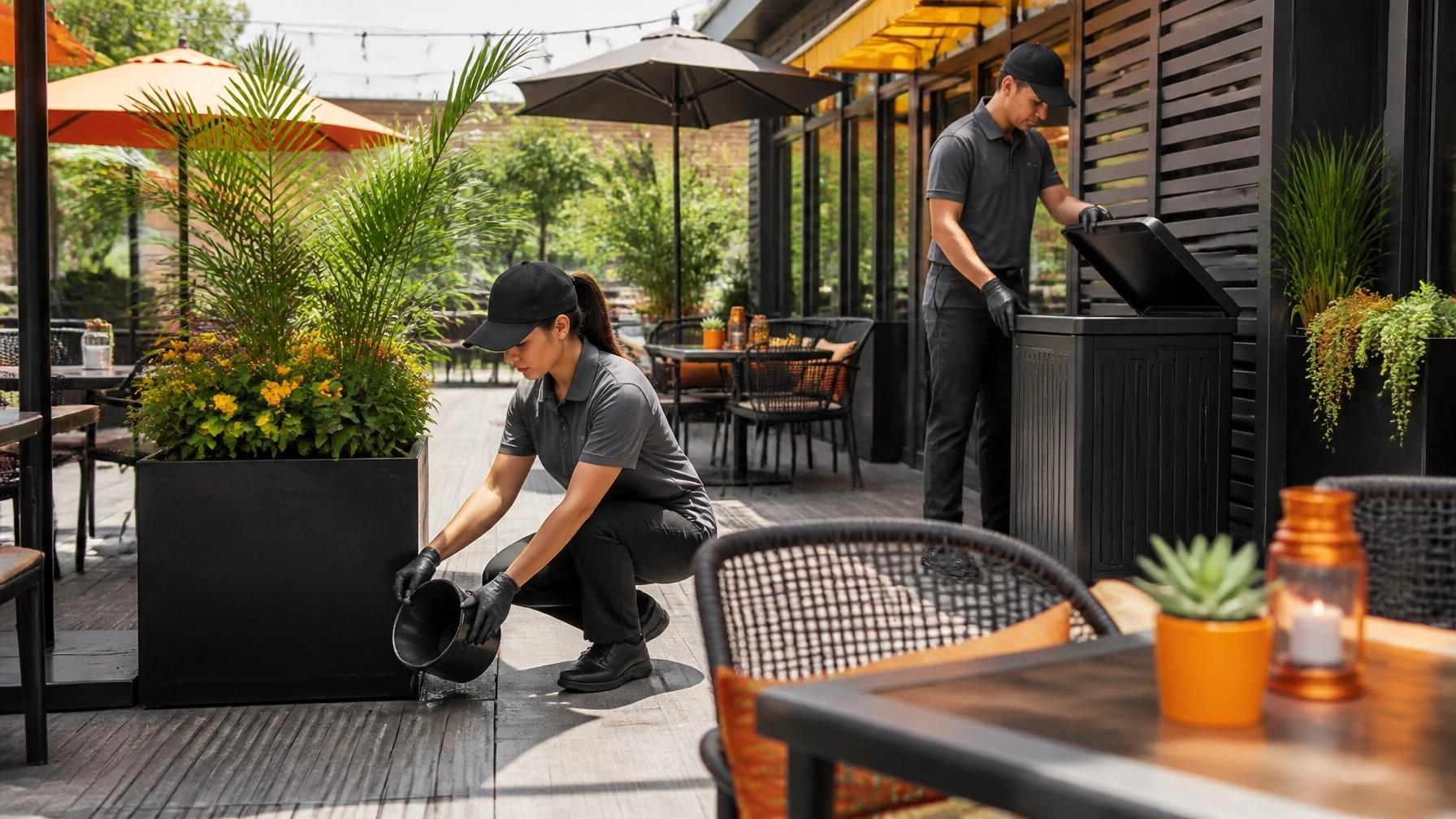
Trash attracts pests. Food scraps, sugary drinks, grease, and odors send a clear invitation to flies, cockroaches, ants, and rodents.
Protect your patio by:
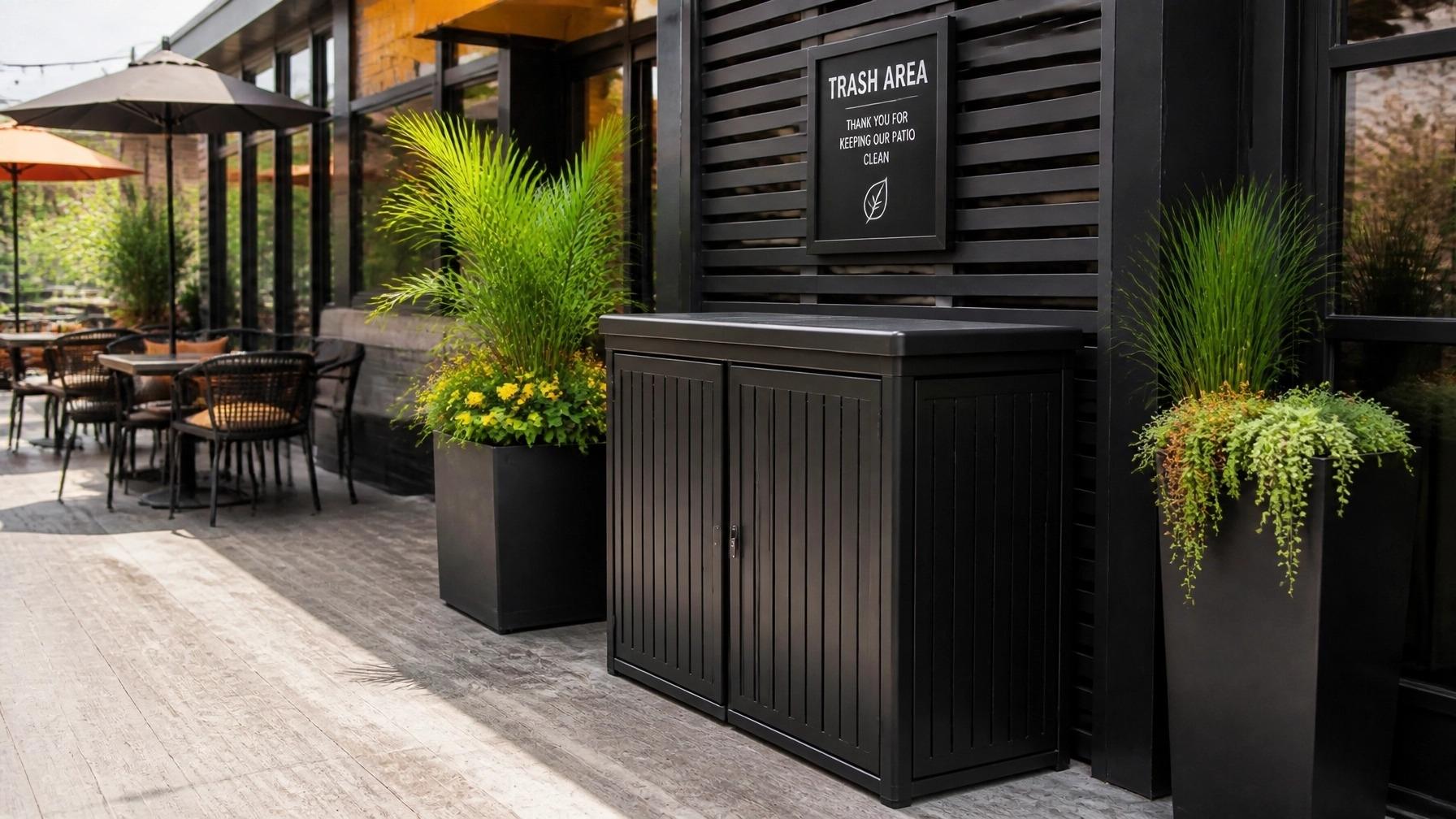
Don’t leave an open trash can beside a table overnight. It’s an easy food source for pests and a quick way to turn a small issue into a recurring one.
The goal is simple: No food. No leaks. No lingering odors.
A quick wipe is not enough if crumbs are collecting under tables or grease is sitting between pavers. Build patio cleaning into three daily checkpoints:
Between shifts
Sweep high-traffic areas. Wipe tables, chairs, railings, and service stations. Remove abandoned plates and glasses.
After every guest turnover
Clear dishes quickly. Clean drink spills. Pay special attention to sweet beverages, beer, wine, and grease.
Before closing
Sweep beneath furniture. Clean food debris from cracks and corners. Empty trash. Wash visibly dirty surfaces. Check the area around outdoor kitchens, bars, and beverage stations.
Schedule deeper cleaning and pressure washing for patio cracks, drains, walls, and dumpster enclosures. These overlooked areas can provide food, moisture, and shelter for pests.
Good sanitation is not just about appearance. It’s one of the strongest forms of restaurant pest control.
Bright white and blue-toned lights can attract flying insects. That makes lighting placement an important part of your patio defense. Consider:
What about bug zappers?
They may kill some flying insects, but they’re not a complete mosquito solution. They can also create insect debris and should not be placed over food, tables, or high-traffic guest areas. For a restaurant patio, discreet insect light traps and targeted devices are often a better fit when selected and positioned by a professional.
Lighting should help guests see their meals, not create a beacon for pests.
Fans, screens, and certain plant-based repellents may help make a patio less comfortable for flying insects.
Outdoor fans are especially useful. Air movement can make it harder for mosquitoes and flies to hover around tables. Place fans where they improve guest comfort without blowing napkins, menus, or food.
Some restaurants also use citronella or other plant-based repellent products around patio edges. These may provide limited, localized relief, but they should not replace sanitation, standing-water control, or professional outdoor mosquito treatment.
Use only products approved for your setting. Follow every label instruction. Keep repellents away from food, beverages, children, and guest contact areas.
Natural solutions can help. A complete protection plan works better.
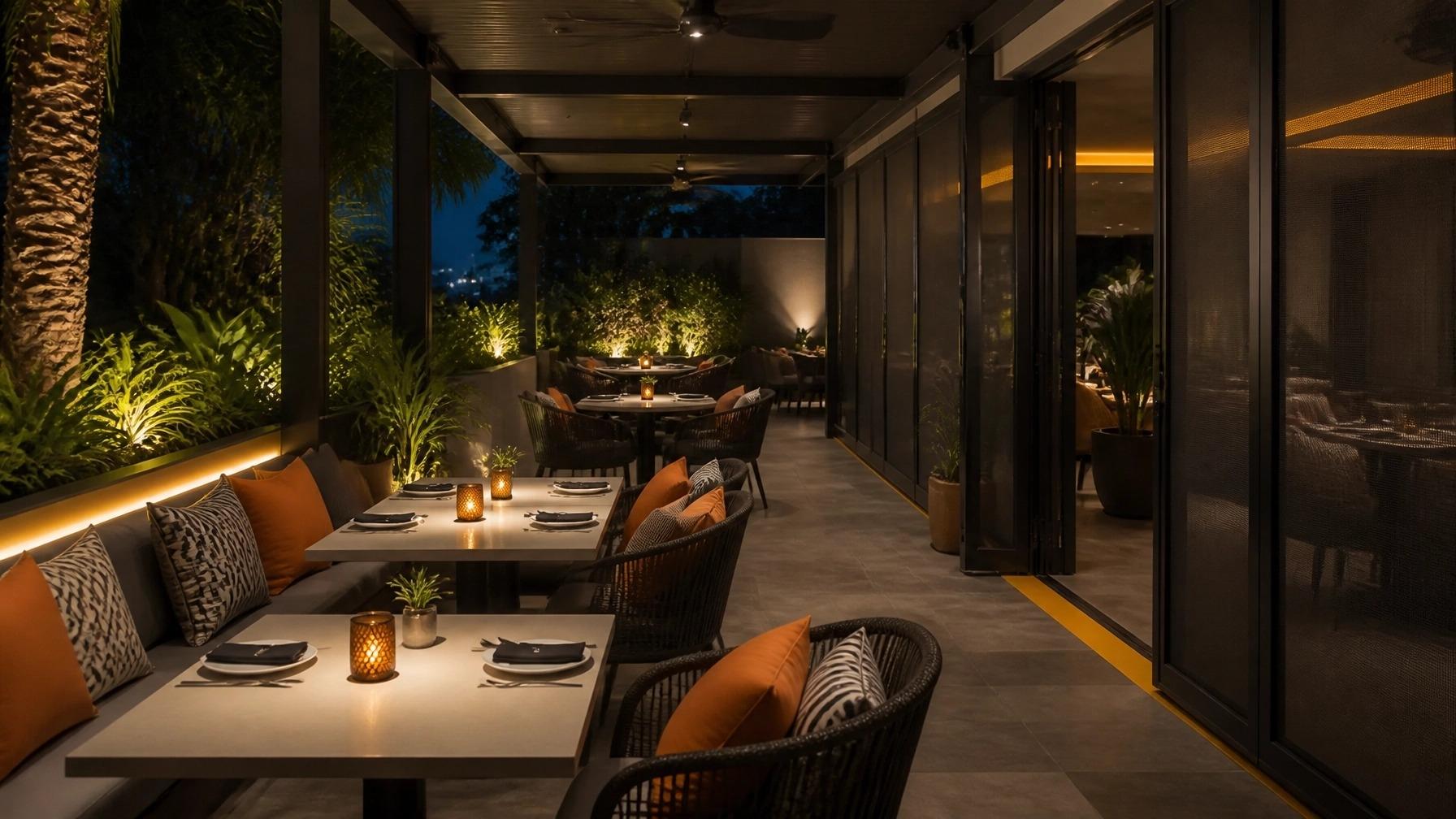
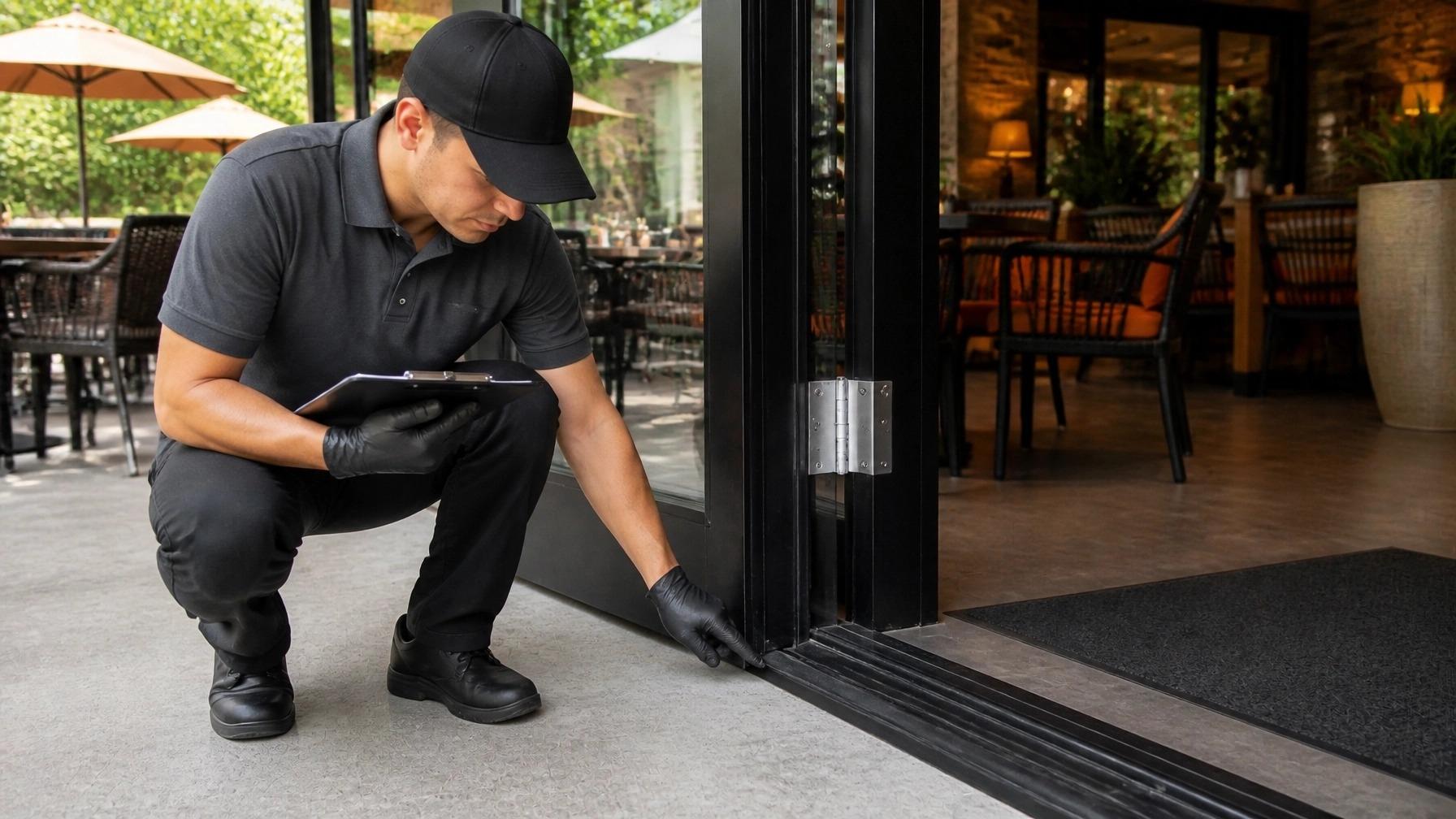
Pests don’t need a wide-open door. Small gaps around thresholds, pipes, vents, and utility lines can provide entry points into your restaurant. Inspect and repair:
Keep exterior doors closed when they are not in use. Replace damaged screens promptly. Trim vegetation away from walls and entrances so pests have fewer places to hide.
For food-service facilities, exclusion is essential. The New York City Department of Health’s pest-proofing guide offers a useful example of the inspection and maintenance practices restaurants can use to reduce pest access.
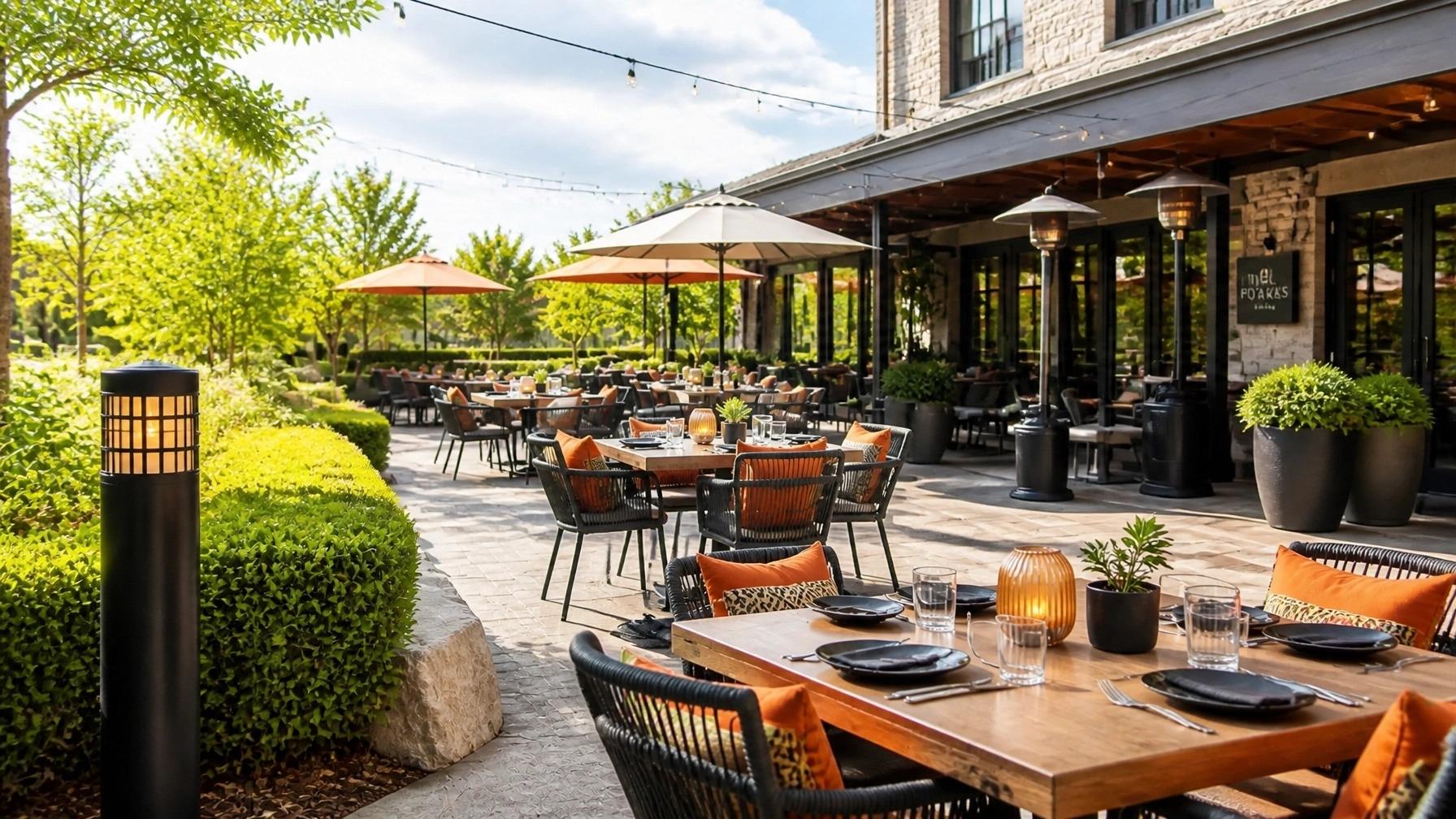
Overgrown landscaping gives pests shelter and a direct path to your building. Protect the patio by:
Inspect the areas guests do not see. The space behind planters, beneath decks, and around storage sheds can become a pest harborage before anyone notices a problem.
A clean sightline around the building helps your team spot trouble early.
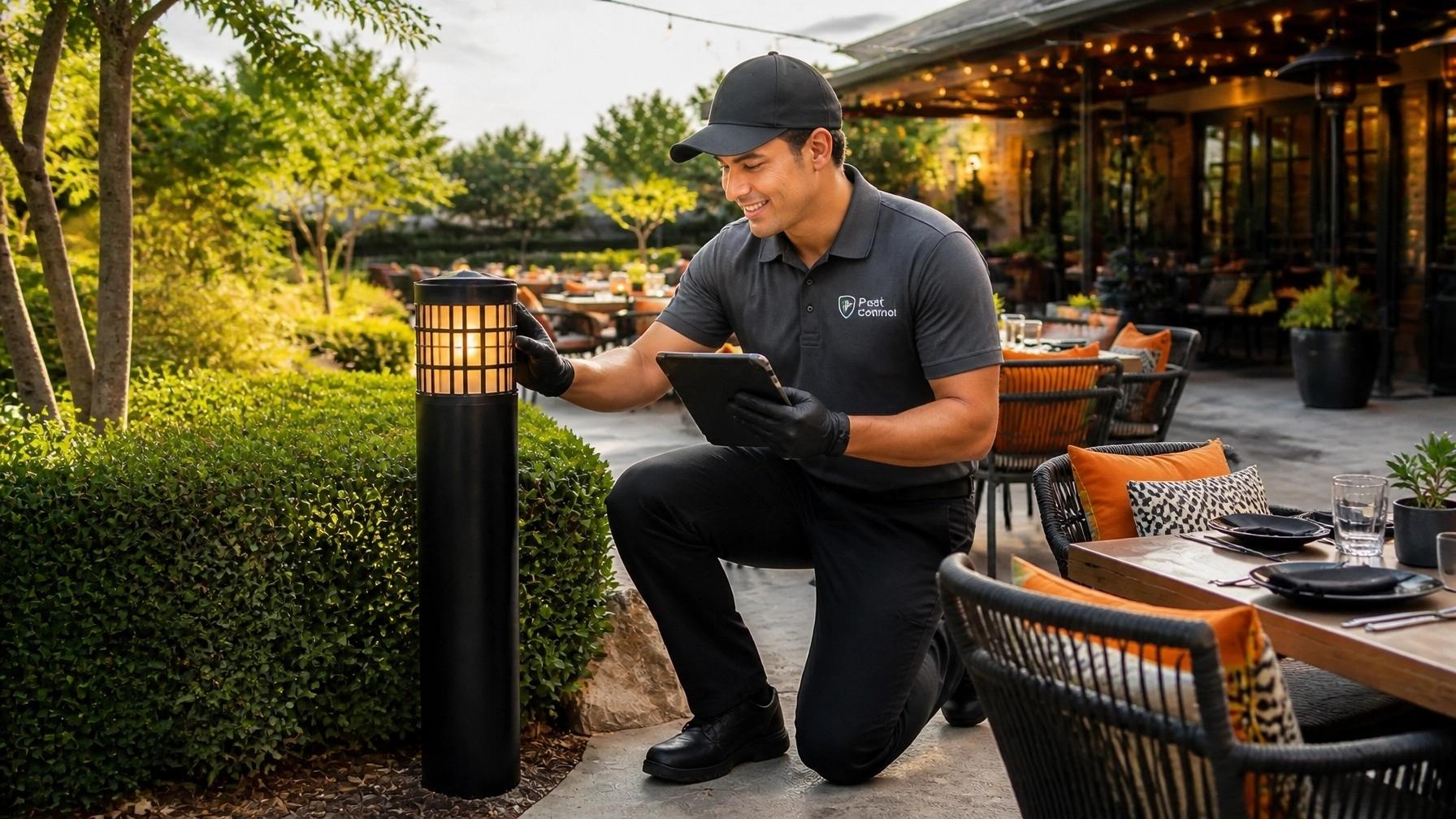
Don’t wait for a guest or employee to report a pest sighting. Add documented inspections to your restaurant’s weekly or daily operations routine. Be sure to check:
Record what you find. Note the pest, location, time, weather conditions, and any sanitation or maintenance concern.
Patterns matter. Repeated flies near one drain may point to moisture or buildup. Ants along one wall may indicate a gap. Mosquitoes after every rain may signal a drainage issue.
Inspection turns surprises into information : and information helps you respond faster.
Your team is your first line of defense. Give employees simple instructions they can follow during a busy shift. Train staff to:
Post a short patio checklist near the service station. Make one person responsible for completing it before closing.
Clear ownership prevents tasks from falling through the cracks.
DIY steps help prevent pest activity. They can’t always stop an established problem. Call a professional when you notice:
A professional commercial pest control provider can inspect the property, identify attractants, and recommend targeted treatments. The right plan may include monitoring, exclusion, outdoor mosquito treatment, barrier applications, and follow-up visits.
Treatments should be planned around your operating schedule and applied according to product labels and local requirements. Your pest partner should understand food-service environments and help you protect guests without disrupting business.
Your restaurant deserves more than a one-size-fits-all treatment plan. Mosquito Tiger provides personalized commercial pest control services for restaurants with outdoor dining, daycare centers, apartment complexes, parks, and more.
We are locally owned and operated in the Houston area. No out-of-town corporate office. No pop-up franchise. When you call, you reach a team that understands local pest pressure and answers directly to local customers.
And our terms stay simple:
Whether you need ongoing restaurant pest control or immediate outdoor mosquito treatment, we’re ready to help you regain control of your patio.
Ready to protect your guests and keep your patio open comfortably? Get your quote from Mosquito Tiger today.