
You don’t need a full weekend project to make your backyard less inviting to mosquitoes.
You need five minutes.
A fast daily or weekly walk-through can remove small breeding spots, improve airflow, and make your outdoor seating area more comfortable. It won’t eliminate every mosquito on your property, but it can make a noticeable difference - especially when you focus on the areas where you relax, play, and entertain.
Ready? Set a timer.
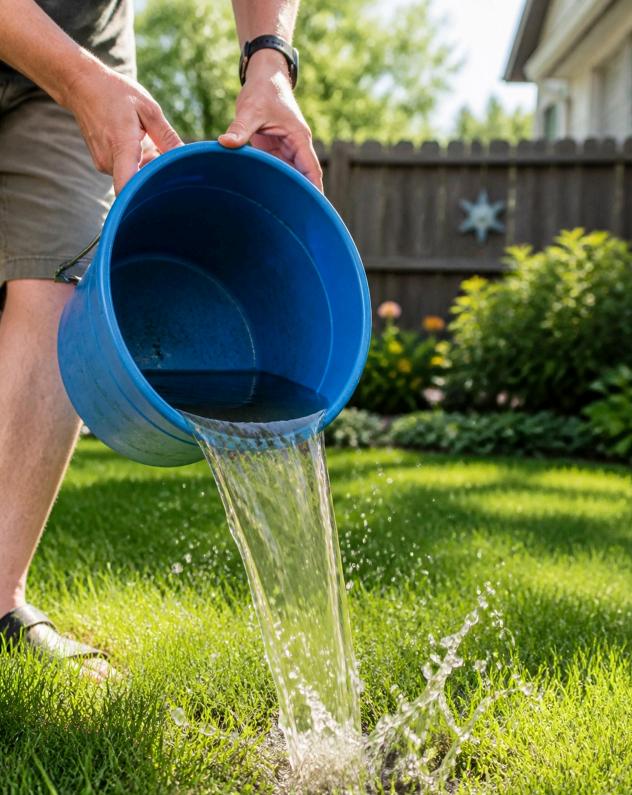
Mosquitoes don’t need a pond to reproduce. A flowerpot saucer, overturned toy, or forgotten bucket can hold enough water for mosquitoes to lay eggs. Start with the obvious spots:
Dump the water. Then wipe out the container or turn it upside down. Pay special attention after rain. A yard that looked dry yesterday may have several small puddles today.
The CDC recommends removing standing water around your home because it can become a mosquito breeding site. This is one of the fastest ways to defend your backyard without special equipment.
Quick rule: If it can hold water, empty it, cover it, or flip it.

Now look for items that are not full of water yet, but could be after the next storm. Turn over:
Store them under cover whenever possible. A container sitting upright in the yard is an invitation for rainwater. A container turned upside down is not.
Don’t forget the little items. A bottle cap, toy truck, or shallow lid can collect water. You may not notice it during a casual glance, but mosquitoes will.
This step takes seconds. Make it part of your normal yard routine.
Your gutters can hide standing water above eye level.
Leaves and debris can block water from draining properly. When that happens, mosquitoes may find a quiet, sheltered place to breed.
Walk around your home and check what you can safely see from the ground:
Clear small, reachable blockages if you can do so safely. Never climb onto a roof or use a ladder just to complete a five-minute mosquito check. That’s not worth the risk.
If your gutters need a full cleaning, add it to your home-maintenance list or contact a professional.
Also check that downspouts direct water away from the house. Better drainage means fewer wet areas for mosquitoes to use.

Mosquito control is not only about water. Your trash area can also create problems.
Loose lids allow rain to collect inside cans. They can also leave food odors and damp organic material exposed. Keep every outdoor trash and recycling container tightly closed. During your five-minute check:
A tight lid helps protect your yard from more than mosquitoes. It can also discourage flies, ants, and other unwanted pests.
Small fix. Better protection.
Mosquitoes often rest in cool, shaded, protected areas during the day. Dense vegetation near doors, windows, porches, and patios can give them a convenient hiding place.
You don’t need to redesign your landscaping. Just trim the obvious overgrowth closest to where people enter and gather. Focus on:
Clear a simple path around entry points. Keep plants from pressing against screens, doors, or exterior walls. This improves visibility and airflow. It also makes it easier to spot puddles, containers, and other mosquito-friendly conditions later.
Be selective. The goal is not to remove every plant. It’s to open up the areas your family uses most.

If you’re about to sit outside, turn on an outdoor fan.
Mosquitoes are weak fliers. Steady airflow can make it harder for them to approach and land, particularly around a porch, deck, or patio seating area.
Place an oscillating fan near the area where people sit. Aim the airflow across the seating zone, not directly at one person. If possible, position it so air moves around legs and beneath tables.
A fan can help provide immediate comfort while the rest of your routine reduces future breeding opportunities.

Fans work best as one layer of protection. They don’t replace standing-water removal, screens, repellents, or professional treatment. But they’re quick, reusable, and easy to add before dinner, playtime, or an evening on the patio.
Here’s the simple version:
Minute 1: Dump water from saucers, buckets, bowls, and toys.
Minute 2: Flip over containers that could collect rain.
Minute 3: Check gutters, downspouts, and nearby drainage.
Minute 4: Tighten trash lids and remove puddles beneath cans.
Minute 5: Trim obvious overgrowth near doors and seating areas.
Before you sit down: Turn on a fan.
That’s it!
Repeat the routine after heavy rain and at least once a week during mosquito season. If your yard has many containers, shaded areas, or drainage challenges, a quick check every few days may be worthwhile.
This five-minute routine helps remove conditions that attract and support mosquitoes. It also improves comfort right away when you use a fan. But mosquitoes can still enter from neighboring properties, wooded areas, drainage features, and other hard-to-reach locations. Eggs and larvae may also be present in places you cannot easily inspect.
If mosquitoes continue to overwhelm your yard after you remove standing water, it may be time for a more complete plan. A professional outdoor mosquito treatment can target common resting areas around landscaping, fences, patios, and other outdoor spaces.
The right service depends on your property, your landscape, and how you use your yard. That’s why a local inspection matters.
Mosquito Tiger provides personalized protection for homeowners who want to regain control of their outdoor spaces. We are a locally owned company, not an out-of-town franchise. You can reach the people responsible for your service, ask questions, and get a plan built around your property.
There are no hidden commitments:
If you have been searching for pest control near me, start with a quick conversation. Mosquito Tiger can help you decide whether routine prevention is enough or whether your property needs deeper protection.
Ready to enjoy your yard again? Contact Mosquito Tiger for friendly, local pest control services (with no long-term commitment).